AI Filmmaking vs Traditional Filmmaking Courses in Mumbai: Which Should You Choose?
Confused between an AI filmmaking course and a traditional filmmaking...
Read MoreAfter Effects vs Blender: which should you learn first if you are starting a career in the creative industry? Both are powerful tools, but they serve different purposes in professional production workflows. Adobe After Effects is primarily used for motion graphics, 2D animation, visual effects, compositing and animated titles. Blender, on the other hand, is a complete 3D creation suite used for 3D modelling, texturing, animation, lighting, rendering and visual effects. If you are interested in creating animated advertisements, social media graphics, title sequences and compositing shots, After Effects can be a practical starting point. If your goal is to build 3D characters, environments, product visualisations, animations and realistic CGI scenes, Blender is the better place to begin. The learning curve also differs: After Effects introduces you to layers, keyframes, masks and effects, while Blender requires an understanding of 3D space, modelling, materials, lighting and camera composition. However, these applications are not direct competitors, and many professional creative workflows benefit from using both. You can create 3D assets and animations in Blender, then bring rendered elements into After Effects for compositing, motion graphics and final visual polish. Whether you want to become a Motion Graphics Designer, 3D Artist, Compositor or VFX Artist, choosing the right software depends on your interests, career goals and the type of work you want to create. In this guide, compare After Effects and Blender, understand their differences, explore career opportunities and discover which software you should learn first as a beginner.
After Effects vs Blender: which should you learn first as a beginner entering the creative industry? Both applications are powerful creative tools, but they are designed for different purposes. Adobe After Effects is primarily used for motion graphics, 2D animation, visual effects, compositing, animated titles and video enhancement. Blender is a 3D creation suite used for modelling, texturing, character animation, lighting, rendering, product visualisation and CGI production. If you want to create animated advertisements, logo animations, social media graphics, title sequences and visual effects compositions, After Effects can be a practical starting point. If you are more interested in building 3D objects, characters, environments and realistic animations, Blender is a strong choice. Their learning processes are also different. After Effects introduces you to layers, keyframes, masks, effects and animation principles, while Blender requires you to understand 3D space, geometry, materials, lighting and rendering. However, choosing one does not mean you have to ignore the other. Many creative professionals combine both applications by creating 3D models and animations in Blender, then using After Effects for compositing, motion graphics and final visual enhancements. Your ideal starting point depends on your interests, learning goals and the type of creative work you want to pursue. Whether you aim to become a Motion Graphics Designer, 3D Artist, VFX Artist or Compositor, understanding the strengths of both applications can help you make a better learning decision. In this guide, compare After Effects and Blender, explore their features, learning curves, career applications and discover which software you should learn first.

Confused between an AI filmmaking course and a traditional filmmaking...
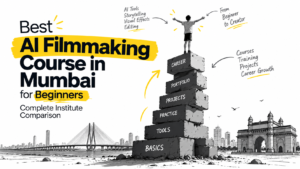
Read MoreLooking for the best AI filmmaking course in Mumbai for...
Read MoreVFX Multimedia School vs other AI filmmaking institutes in Mumbai:...
Read MoreBest AI filmmaking institute in Mumbai: how do you compare...
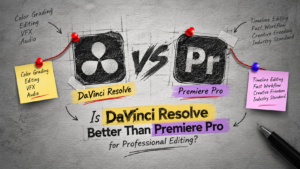
Read MoreDaVinci Resolve vs Premiere Pro: which video editing software is...
Read More