AI Filmmaking vs Traditional Filmmaking Courses in Mumbai: Which Should You Choose?
Confused between an AI filmmaking course and a traditional filmmaking...
Read MoreWhat does a compositor actually do in a VFX studio? A VFX compositor plays an important role in bringing different visual elements together to create a seamless and believable final shot. Working in film production, television, advertising and digital media, compositors combine live-action footage, computer-generated elements, backgrounds, lighting effects and other visual assets into a single composition. Their responsibilities involve more than simply adding effects using software such as Foundry Nuke or Adobe After Effects. Professional compositing requires skills in green-screen removal, chroma keying, rotoscoping, masking, camera tracking, colour correction, edge refinement, paint and clean-up, shadow integration and 3D compositing. Compositors must also understand lighting, perspective, depth, colour consistency and visual continuity to make different elements appear as if they belong in the same scene. They work closely with VFX supervisors, artists and production teams to follow shot requirements, solve visual problems and prepare final shots for delivery. Whether you want to become a Compositor, Junior Compositing Artist or VFX Artist, understanding the compositing workflow and developing strong practical skills are essential. In this guide, explore what compositors do in a VFX studio, the tools and techniques they use, the skills employers look for and how practical VFX training can help you prepare for a career in compositing.
What does a compositor actually do in a VFX studio? A compositor is responsible for combining different visual elements to create a seamless and believable final shot for films, television, advertisements and digital productions. Their work involves bringing together live-action footage, computer-generated imagery, green-screen elements, backgrounds, lighting effects and other visual assets. However, professional compositing is much more than combining layers in software. It requires a strong understanding of rotoscoping, masking, chroma keying, camera tracking, colour correction, edge refinement, paint and clean-up, shadow integration and 3D compositing. Tools such as Foundry Nuke and Adobe After Effects help artists perform these tasks, but understanding lighting, perspective, depth, colour consistency and visual continuity is equally important. Compositors also collaborate with VFX supervisors, 3D artists and other production team members to follow shot requirements, solve visual problems and prepare final shots for delivery. Whether you want to become a Junior Compositor, Compositing Artist or Senior VFX Compositor, developing practical compositing skills and understanding the production pipeline are essential. In this guide, explore the responsibilities of a compositor in a VFX studio, the software and techniques used in professional workflows, the skills required for the role and how practical VFX training can help you prepare for a career in compositing.

Confused between an AI filmmaking course and a traditional filmmaking...
Read MoreLooking for the best AI filmmaking course in Mumbai for...
Read MoreVFX Multimedia School vs other AI filmmaking institutes in Mumbai:...
Read MoreBest AI filmmaking institute in Mumbai: how do you compare...
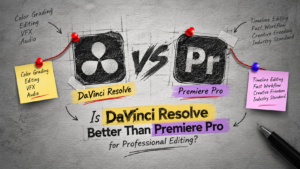
Read MoreDaVinci Resolve vs Premiere Pro: which video editing software is...
Read More